


Building a Montessori bed yourself is appealing. You control the design, you save money (in theory), and you get the satisfaction of making something with your hands. But before you head to the lumber yard, let's do an honest comparison of what DIY actually costs versus buying a purpose-built foam bed.
The Appeal of DIY (We Get It)
There is something deeply satisfying about building furniture for your child. Pinterest is full of beautiful house-frame beds made from pine 2x4s, and the materials list looks affordable at first glance. If you enjoy woodworking and have the tools, building a bed can be a rewarding weekend project.
We respect the DIY community. This article is not here to discourage you from building. It is here to make sure you go in with realistic expectations about cost, time, and safety, so you can make the best decision for your family.
Honest Cost Breakdown: DIY Floor Bed
Materials
- Lumber (pine 2x4s, 1x4s, plywood base): $80-150
- Hardware (screws, brackets, bolts, wood glue): $20-40
- Sandpaper, wood filler, finish/paint (non-toxic): $30-50
- Safety bumpers or pool noodles for edges: $10-20
Tools (if you do not already own them)
- Drill/driver: $40-80
- Circular saw or miter saw: $50-150
- Sander: $30-60
- Clamps, square, tape measure: $20-40
The Mattress (everyone forgets this)
- Crib mattress (if toddler-size bed): $80-150
- Twin mattress (if full-size): $100-250
Time
- Research and planning: 2-4 hours
- Shopping for materials: 1-2 hours
- Cutting, sanding, assembling: 6-10 hours
- Finishing (paint/stain, drying time): 4-8 hours across 2 days
Total DIY cost (if you own tools): $220-410 + 13-24 hours
Total DIY cost (buying tools): $360-690 + 13-24 hours
What DIY Misses: The Safety Gap
This is where the comparison gets serious. A homemade bed, no matter how carefully built, cannot replicate the safety testing that commercial children's products undergo:
1. CPSC Compliance Testing
Commercial children's beds must pass third-party testing against ASTM F1821 (toddler beds) or equivalent standards. This includes entrapment testing, structural load testing, and stability testing. A DIY bed has no such verification.
2. Material Safety
Are you sure your lumber is lead-free? Is your paint truly non-toxic at the level required for a product a child will put their mouth on? Commercial beds use certified materials (CertiPUR-US for foam, GREENGUARD Gold for emissions). DIY relies on trust in retail labeling.
3. Entrapment Gaps
The distance between slats, the gap between mattress and frame, the spacing of any decorative elements: all of these must fall within specific CPSC tolerances. Getting it wrong by half an inch can create a hazard. Commercial beds are designed and tested to eliminate these gaps.
4. Flame Retardancy
Children's sleep products must meet flammability standards. A bare pine frame with a random mattress has no verified fire behavior. Certified foam beds are tested for flame resistance without toxic chemical retardants.
Side-by-Side Comparison
| Factor | DIY Wood Bed | Little Duck Bed |
|---|---|---|
| Total cost | $220-690 (depends on tools) | $690 (everything included) |
| Time investment | 13-24 hours across multiple days | 5 minutes (open box, place bed) |
| Safety testing | None (self-assessed) | CPSC/CPSIA compliant, CertiPUR-US |
| Sharp edges | Possible (sanding helps, does not eliminate) | Zero (foam) |
| Mattress included | No (add $80-250) | Yes (integrated) |
| Washable | Wipe frame only | Machine-wash cover |
| Warranty | None | 5 years |
| Return option | None (it is yours) | 100-day home trial |
If You Still Want to DIY: Safety Tips
We respect your choice. Here are non-negotiable safety rules:
- Sand ALL surfaces to 220 grit minimum (no rough patches anywhere a child touches)
- Use non-toxic, zero-VOC finish only (look for "safe for cribs" on the label)
- Ensure slat spacing is under 2.375 inches (CPSC standard)
- Eliminate ALL gaps between mattress and frame (stuff pool noodles if needed)
- Anchor the bed to the wall if it has any vertical elements (tip-over risk)
- Test structural integrity: an adult should be able to sit on it without flex or wobble
- Round ALL corners and edges (use a router with a roundover bit)
Or Skip the Project Entirely
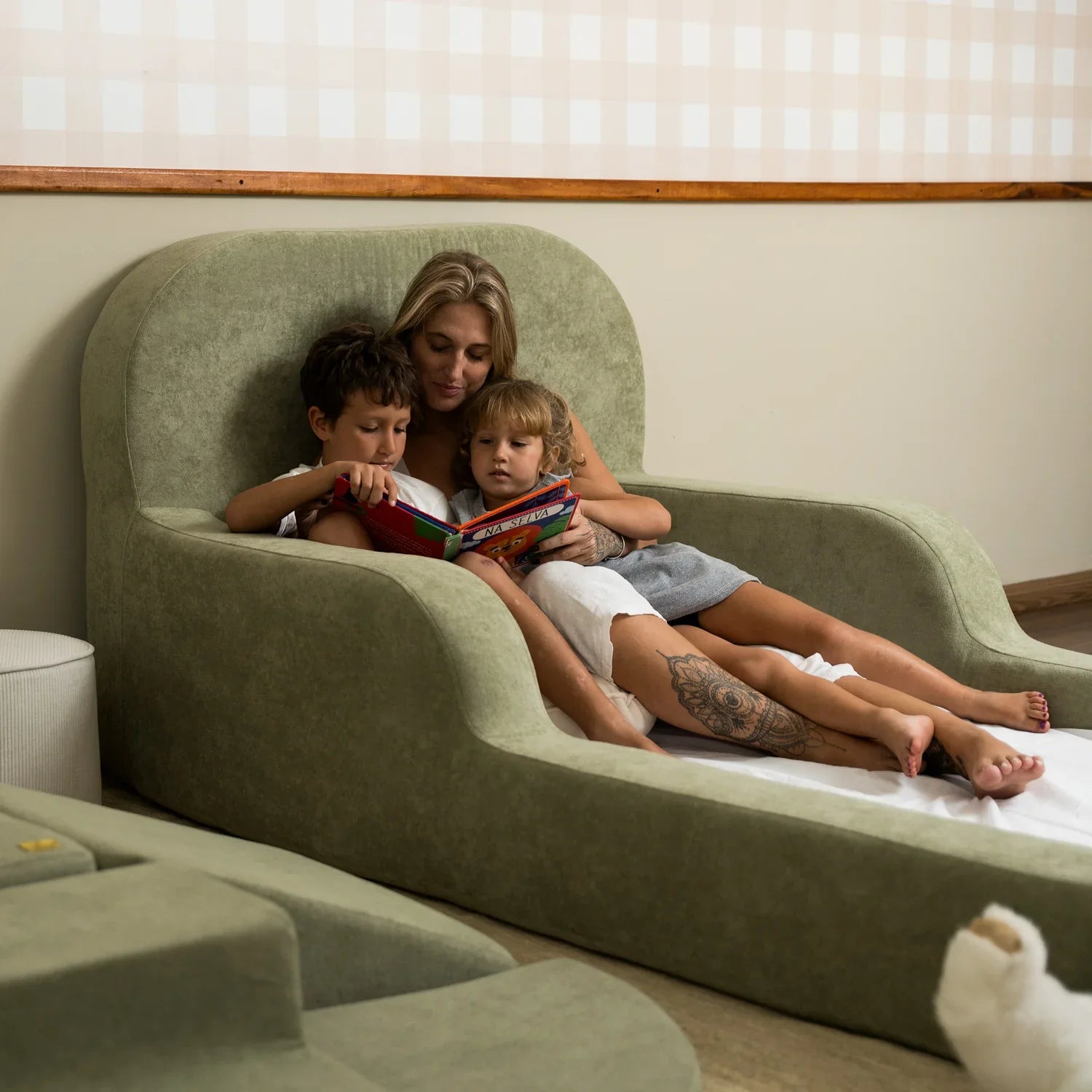
The Little Duck Bed gives you a certified-safe, zero-assembly Montessori floor bed with a 100-day trial. If it does not work for your family, return it for a full refund. No lost weekends, no sawdust in the garage, no safety uncertainty. See all 5 colors
Frequently Asked Questions
Is a DIY Montessori bed safe for my toddler?
It can be, if you follow CPSC guidelines for slat spacing, gap elimination, material safety, and structural integrity. However, without third-party testing, you are relying entirely on your own assessment. Commercial beds undergo independent testing that verifies safety claims objectively.
How much does it really cost to build a Montessori bed?
If you own tools: $220-410 in materials plus a mattress ($80-250). If you need tools: $360-690. Time investment is 13-24 hours. When you add the mattress (which is included in foam beds), the total cost difference between DIY and buying is often only $150-250.
What is the easiest type of floor bed to build?
A simple platform (plywood base with low side rails) is the easiest DIY option: fewer cuts, no complex joinery. House-frame beds with peaked roofs are significantly more complex and require angled cuts, multiple joints, and careful alignment. Even the simple platform takes 8-12 hours for most builders.
Can I build a foam bed myself?
Technically, you can buy high-density foam and a cover separately. However, sourcing 33D density foam (the firmness recommended for toddlers) in the right dimensions is difficult for consumers. CertiPUR-US certification applies to the foam manufacturer, not to individuals. You would also need to source a fire-barrier cover to meet flammability standards. In practice, foam beds are difficult to replicate safely at home.
Ready in 5 Minutes, Not 5 Days
100% foam, zero assembly, 100-day trial. Sometimes the best project is the one you do not have to do.
Shop Montessori Beds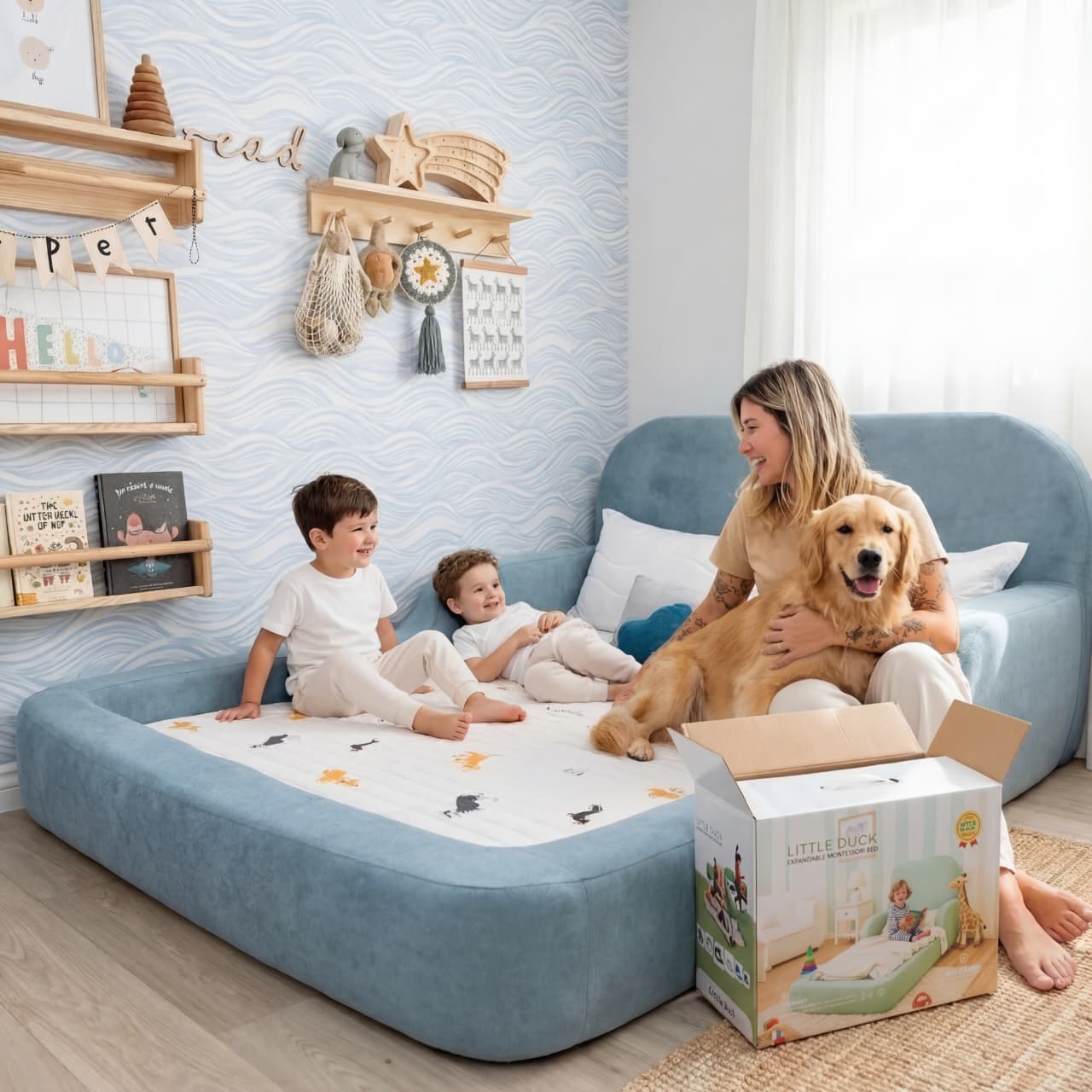

Leave comment
This site is protected by hCaptcha and the hCaptcha Privacy Policy and Terms of Service apply.