


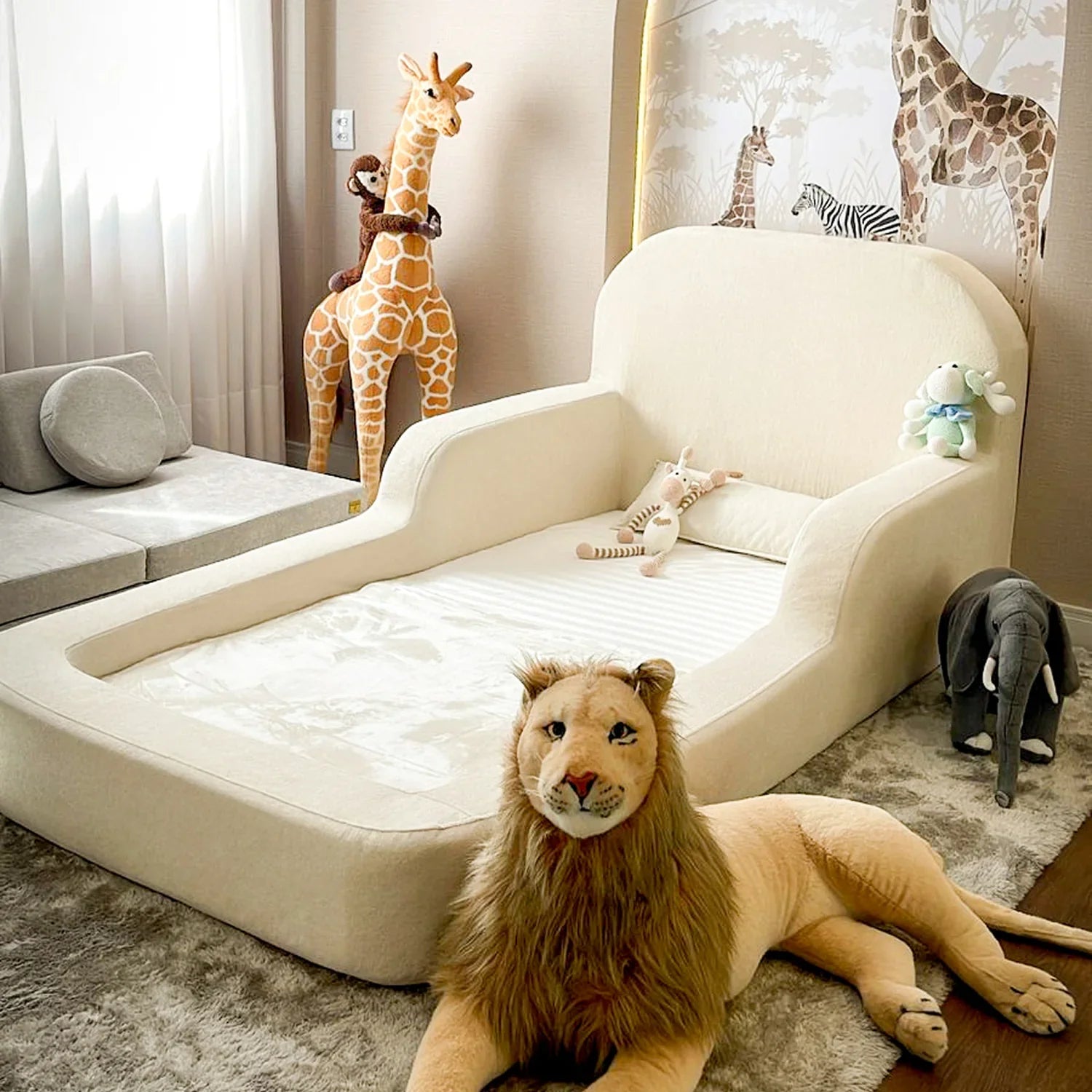
Choosing a toddler floor bed is one of the biggest nursery decisions you will make. The market is flooded with options: wood frames, house beds, metal rails, foam, and everything in between. This guide cuts through the noise and helps you pick the safest, most practical floor bed for your child in 2026.
What Makes a Great Toddler Floor Bed?
A toddler floor bed sits at or near ground level so your child can get in and out independently. The Montessori philosophy behind it is simple: children learn best when they can make choices in a safe environment. A bed they can access alone builds sleep confidence from day one.
But not all floor beds are created equal. The best ones share five qualities: certified safety, appropriate firmness, easy maintenance, simple setup, and durability that outlasts the toddler years.
What to Look For When Buying
1. Safety Certifications
Look for CPSC/CPSIA compliance (mandatory for children's products in the US), CertiPUR-US certification if foam is involved, and GREENGUARD Gold for low emissions. These are not marketing badges: they represent independent, verified testing against health and safety standards.
2. Materials and Construction
The three main material categories for toddler floor beds are wood, metal, and foam. Each has trade-offs:
| Feature | Wood Frame | Metal Frame | Foam (no frame) |
|---|---|---|---|
| Sharp edges | Yes (corners, posts) | Yes (joints, bolts) | None |
| Assembly time | 45-90 min | 30-60 min | Under 5 min |
| Separate mattress needed | Yes ($100-300) | Yes ($100-300) | No (integrated) |
| Entrapment gaps | Possible | Possible | None |
| Weight | 30-60 lbs | 20-40 lbs | Under 20 lbs |
| Washable | Wipe only | Wipe only | Machine-wash cover |
3. Size and Longevity
The best floor beds grow with your child. A bed that works from 12 months through age 6 saves you from buying a transitional toddler bed AND a twin bed later. Look for dimensions that accommodate standard bedding so you are not locked into proprietary accessories.
4. Maintenance Reality
Toddlers spill, sweat, and have accidents. A bed with a removable, machine-washable cover is not a luxury: it is a necessity. Wood frames require spot-cleaning and can harbor moisture underneath. Foam beds with washable covers handle the daily reality of toddler sleep without stress.
The Price Reality Check
A $200 wooden floor bed looks affordable until you add the hidden costs:
- Separate mattress: $100-250
- Assembly tools (if you do not own them): $30-50
- Time spent assembling: 1-2 hours (value your time)
- Replacement parts when joints loosen: $20-40 over time
Total real cost of a $200 wood bed: $350-540.
Compare that to an all-in-one foam bed at $690 that includes the sleep surface, requires zero tools, zero assembly time, and comes with a washable cover. The price gap is smaller than it appears, and you get a fundamentally safer product.
Our Pick: Little Duck Bed
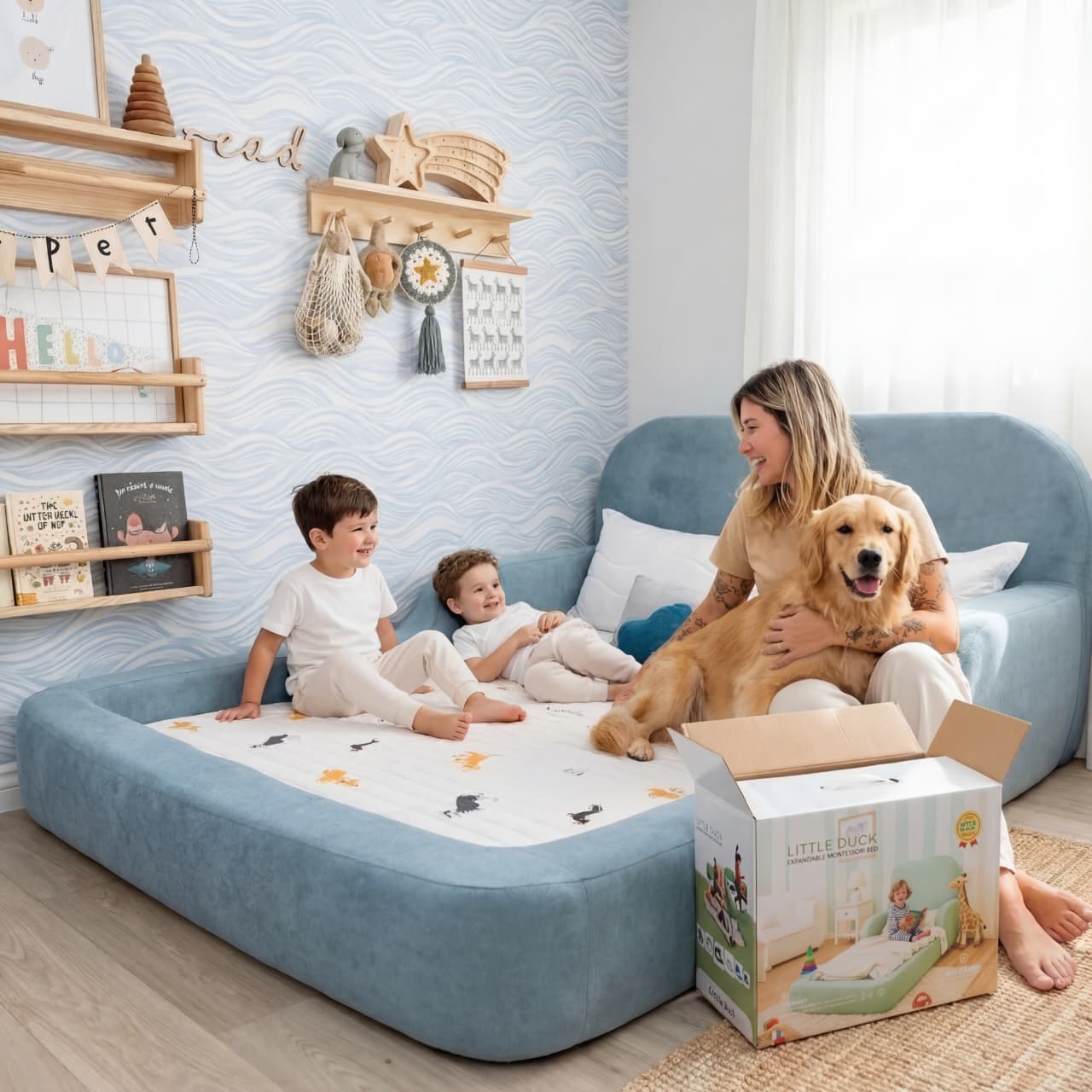
100% high-density GrowTech foam (33D). No frame, no hardware, no sharp edges anywhere. Machine-washable cover in 5 nursery-ready colors. Ships in a box, sets up in under 5 minutes. 100-day home trial, 5-year warranty. See all colors
Frequently Asked Questions
What age is best for a toddler floor bed?
Most pediatricians and Montessori educators agree that 12 months is the earliest appropriate age, with 18-24 months being the most popular transition window. The AAP recommends waiting until at least 12 months and ensuring the room is fully childproofed before transitioning from a crib.
Is a floor bed better than a toddler bed with rails?
A floor bed encourages more independence because your child can get in and out freely. It also eliminates fall risk since the sleep surface is at ground level. Traditional toddler beds with rails can create entrapment hazards (the CPSC recalled 7,450 beds in 2023 for this reason). A foam floor bed provides gentle boundaries without rigid rails.
How firm should a toddler floor bed be?
Pediatric guidelines recommend a firm, flat sleep surface for toddlers. Look for foam density of 30D or higher. Standard mattress-in-a-box products use 24-28D foam, which is softer than ideal for young children. The Little Duck Bed uses 33D foam, which provides the firmness pediatricians recommend while still being comfortable.
Do I need a separate mattress with a floor bed?
With wood or metal frame beds, yes, you always need a separate mattress (add $100-300 to the cost). With foam floor beds like the Little Duck Bed, no: the bed and the mattress are one integrated piece. This eliminates the common problem of gaps between frame and mattress where children can get stuck.
Find Your Perfect Floor Bed
5 colors, zero sharp edges, 100-day trial. See why parents are switching from wood to foam.
Shop Montessori Beds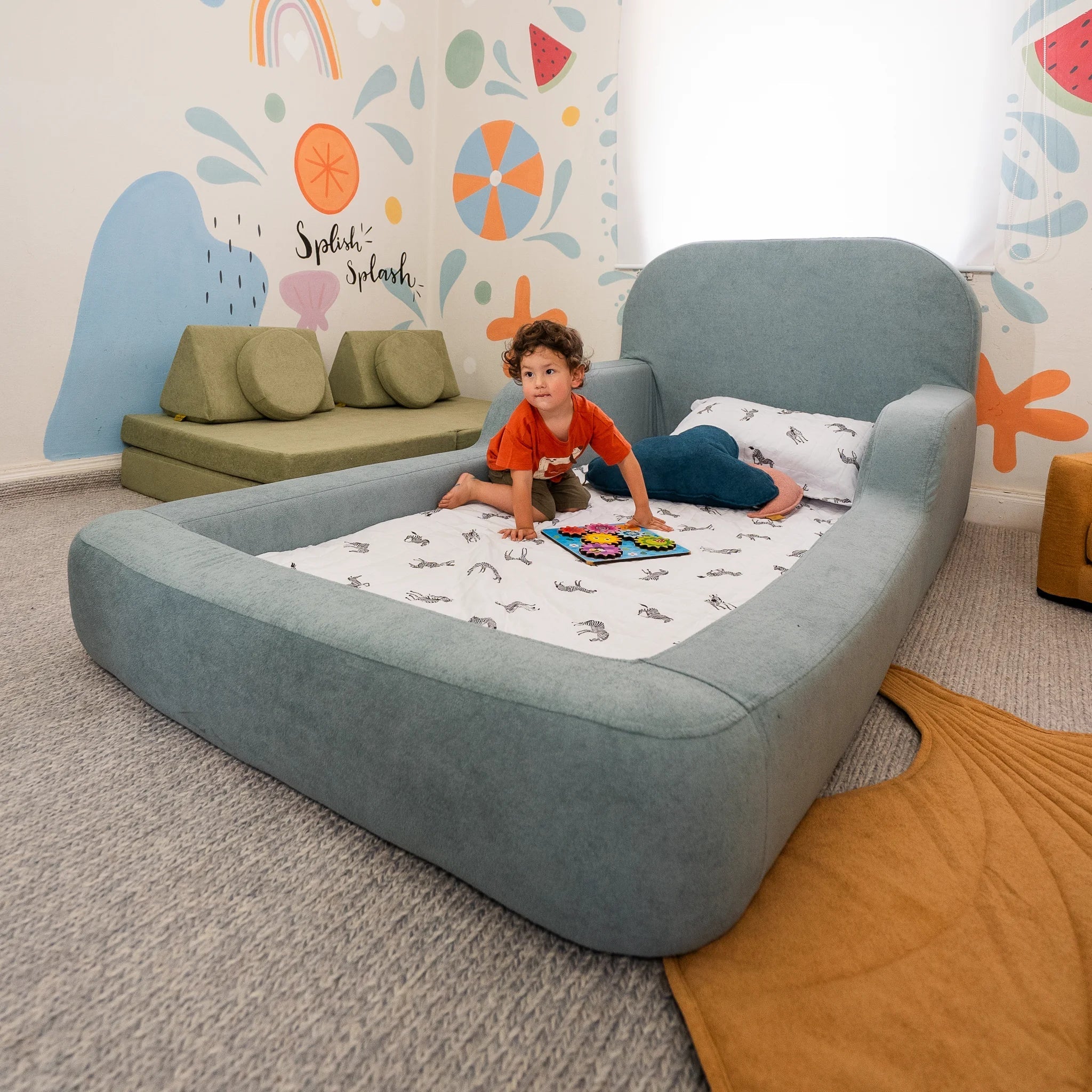

Leave comment
This site is protected by hCaptcha and the hCaptcha Privacy Policy and Terms of Service apply.